
Beginner-friendly clutter rooms
Best for: New Hiders learning color matching
Look for repeated props, multiple wall colors, and short escape lines. These rooms forgive small paint errors.
Maps and hiding spots
Use this maps guide as a pattern sheet: choose hiding spots by color, silhouette, risk, route timing, and lobby size. Exact map pages can be added later when real screenshots or player-tested data are available.
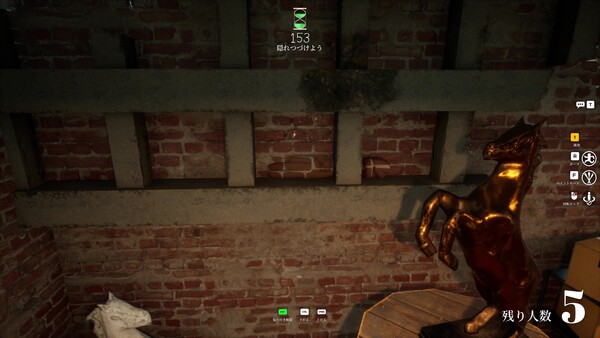
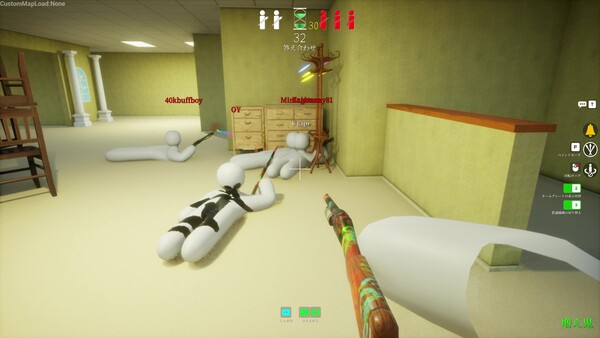
Official visual reference
YouTube video links
These are external YouTube links rather than autoplay embeds, so the page stays fast while still giving visitors a direct trailer, gameplay, or tutorial path.
Channel: ItzVexo
Guide-style video link for players looking for tips, tutorial context, and hiding-spot ideas.
Watch on YouTube →GameplayChannel: HorrorPeeper
Gameplay with strong hiding context, useful next to Hider tips and map-pattern sections.
Watch on YouTube →GameplayChannel: MoistCr1TiKaL Gaming
Long gameplay session useful for seeing public-round pacing, reveals, and lobby feel.
Watch on YouTube →Best for: New Hiders learning color matching
Look for repeated props, multiple wall colors, and short escape lines. These rooms forgive small paint errors.
Best for: Seekers and quick room clearing
Only use these if the color match is excellent and your silhouette is broken by an edge or object.
Best for: Streamer lobbies and chaotic friends games
Open maps create fun reveals but punish late movement. Hiders should settle early; Seekers should scan motion first.
Best for: Returning players and groups
Check map size, player count, spawn fairness, and whether Hiders have more than one viable route.
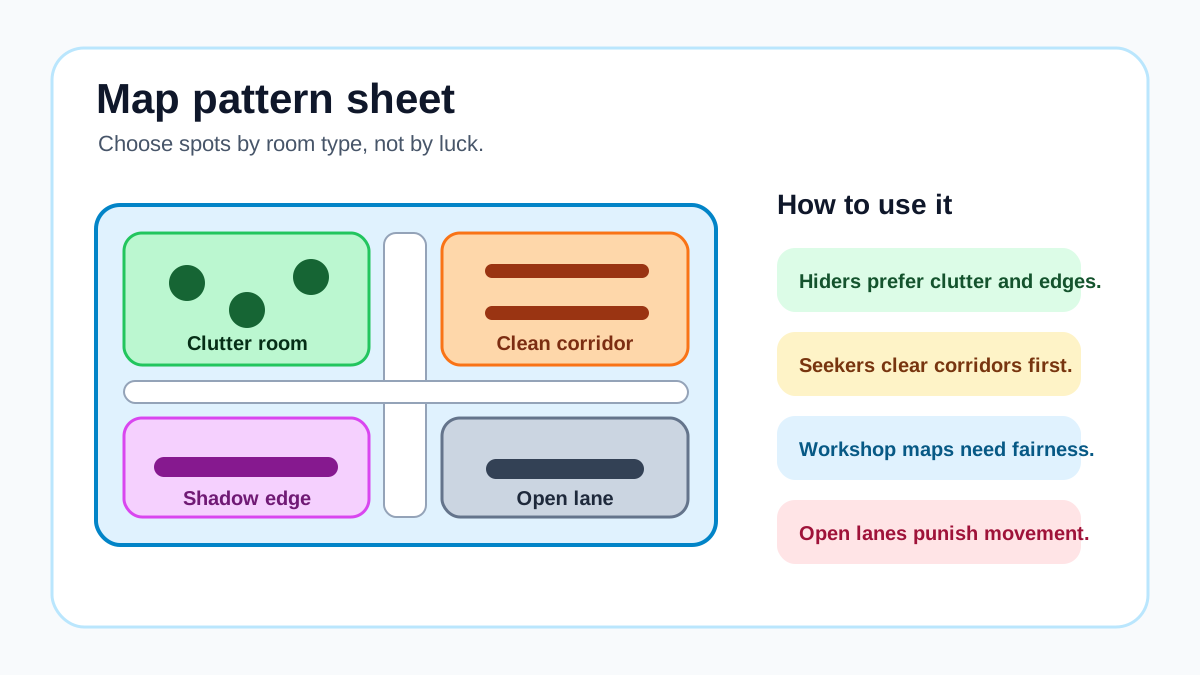
Before choosing a spot, classify the room. Clutter rooms forgive imperfect paint but create false positives. Clean corridors help Seekers clear quickly. Shadow edges are strong for Hiders, while open lanes punish late movement and make silhouettes easier to read.
Count open lanes and clean walls. If there are many, Hiders need stronger silhouette cover.
Find clutter groups and shadow boundaries. These are better than empty corners.
Check whether both roles have fair routes. One-sided Workshop maps get stale fast.
For friends or streamers, pick maps by lobby size and role fairness. A funny Workshop map is not always a good match map: check whether Hiders have multiple believable spots and Seekers can clear rooms without random guessing.
The next expansion should add exact pages only after collecting real map names, tested hiding spots, and fair-use screenshots or original diagrams. Until then, this hub gives searchable structure without fabricating map data.
A good MECCHA CHAMELEON map is not simply the map with the most props. It should create readable choices for both roles. Hiders need several believable hiding zones, enough color variety to reward painting, and routes that let them settle before the first sweep. Seekers need room order, sightlines, and a way to clear suspicious areas without guessing for the entire round.
When testing a Workshop map, play at least two rounds from each role before calling it good or bad. One lucky hiding spot can make a map feel Hider-favored, and one clean corridor can make it feel Seeker-favored. The better test is whether different players can make different reasonable decisions. If every Hider runs to the same corner or every Seeker uses the same route, the map may be fun once but weak for repeat play.
Does the map offer multiple color zones, or does one paint choice dominate every good spot?
Can Hiders break their outline naturally with shelves, frames, clutter, shadows, or room edges?
Can Seekers clear rooms in a repeatable order without wasting the round on random checks?
Does the map still work when the lobby is small, or does it need a full group to feel active?
Are there several viable routes and counters, or does the first solved spot decide every match?
An exact map page should be added only when it can contain more than a name and a few generic tips. The page needs a verified map name, the intended lobby size, role balance notes, tested hiding areas, common Seeker routes, and a clear reason players would search for that specific map. Without those details, an exact page would be thin and may compete with this broader maps guide instead of helping it.
Good triggers for a new page include Search Console impressions for a map name, Steam Workshop popularity, repeated community questions, a creator video that causes a fresh search spike, or internal testing that produces original diagrams. Screenshots should still be handled carefully: use original diagrams when possible, link official or Workshop sources, and avoid uploading copied trailer frames as if they were site-owned media. That keeps the page useful while reducing copyright and affiliation risk.
Not in the MVP. To avoid copying copyrighted screenshots, this first version focuses on map patterns, hiding-spot types, and Workshop selection criteria.
Good Hider maps have varied color zones, clutter, shadows, multiple route choices, and places where a body outline can be broken naturally.
Good Seeker maps have clear room order, limited dead corners, readable sightlines, and fewer clutter zones that create false positives.
Check player-count fit, spawn fairness, whether both roles have viable routes, and whether the map is fun for friends or streamers rather than only being visually novel.
This is an unofficial fan guide for MECCHA CHAMELEON. All game names, trademarks, and assets belong to their respective owners. Buy the game from the official Steam store.
Open the official Steam store →