Rules and roles

How to Play MECCHA CHAMELEON

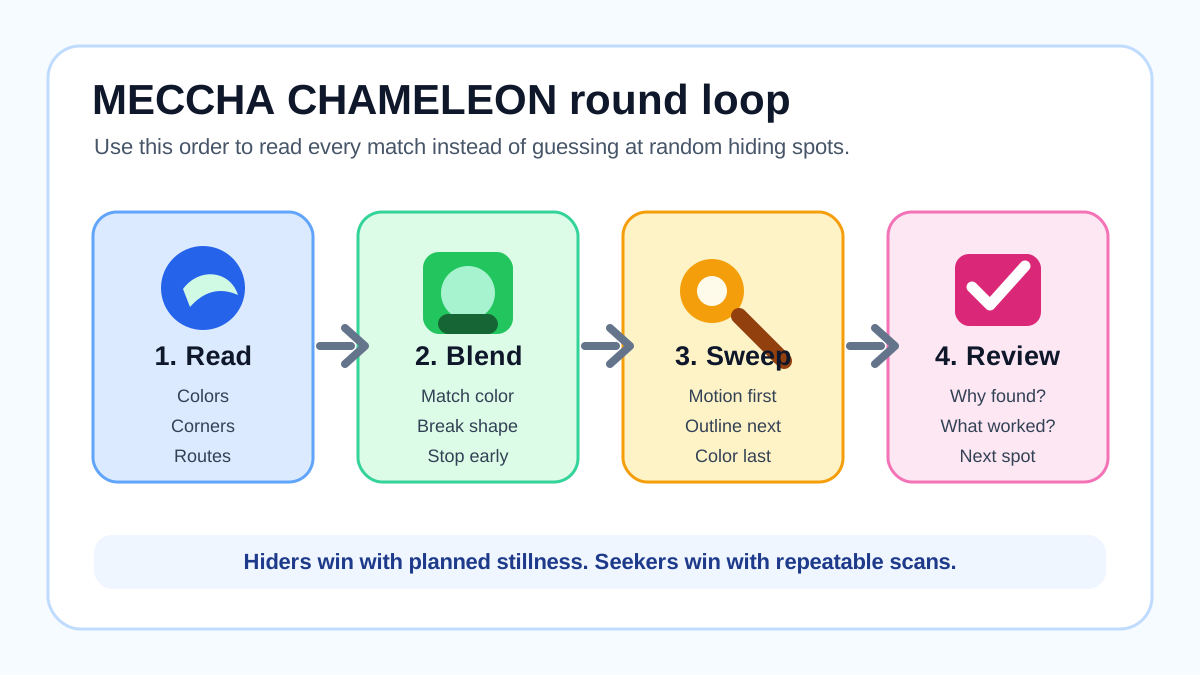
MECCHA CHAMELEON is easiest to learn as a round loop: Hiders choose a spot, paint or blend with the map, control their pose and movement, then Seekers sweep rooms for contrast, outlines, and timing mistakes.

MECCHA CHAMELEON official Steam screenshot with Hider and Seeker gameplay context.
A Steam screenshot reference for beginner rules, roles, and visual scanning examples. Source: official Steam store.

YouTube video links

Watch a trailer or tutorial before your first round

These are external YouTube links rather than autoplay embeds, so the page stays fast while still giving visitors a direct trailer, gameplay, or tutorial path.

One-round explanation

1

Spawn and read the map

Notice wall colors, clutter, corners, shadows, and routes before committing.

2

Hiders settle

Blend color and shape, then stop moving before Seekers can track your last movement.

3

Seekers sweep

Scan for outlines, bad color matches, repeated props, and suspicious stillness.

4

Adapt next round

Use what revealed you or what fooled you to pick better spots and routes.

MECCHA CHAMELEON round loop diagram showing read, blend, sweep, and review steps.
Original strategy diagram for the page. It is not copied from the game or from Steam screenshots.

What to watch each round

Most beginner losses happen before the chase starts. Hiders lose by choosing a clean, readable shape or moving after the Seeker has line of sight. Seekers lose by entering a room without a scan order and then over-checking every object.

Hider rule

Pick a believable object area first, then paint and pose. Do not paint first and hope the position becomes believable later.

Seeker rule

Stop at the doorway, watch for movement, then clear the most suspicious silhouette before checking small color errors.

Hider objective

A good Hider is not just hidden by color. The spot should match the dominant background, break the human outline, avoid obvious beginner corners, and give you enough time to stop moving before the sweep reaches you.

Read Hider tips →

Seeker objective

A good Seeker clears rooms in a repeatable order. First watch for motion, then scan human-sized shapes, then check color mismatches, shadow edges, and clutter that has one object too many.

Study map patterns →

Round-by-round decision table

Read the room

Hider read

Look for the largest color field, clutter, shadow boundaries, and a route that lets you settle before the Seeker arrives.

Seeker read

Memorize clean walls, repeated props, and high-contrast areas before checking suspicious silhouettes.

Blend and stop

Hider read

Prioritize dominant color and body outline before detail. A still imperfect spot is usually safer than a late adjustment.

Seeker read

Pause at the doorway and watch for micro-movement before walking straight into the room.

Sweep by signal

Hider read

If the sweep is near, do not improve the spot. Trust the pre-round choice and remove movement from the Seeker scan.

Seeker read

Scan in order: movement, human-sized outline, color mismatch, then props that look one item too crowded.

Review the reveal

Hider read

After a loss, decide if the reveal came from motion, color, silhouette, or a predictable corner.

Seeker read

After a miss, note which room type created false positives so the next sweep is faster.

First-session practice plan

Your first session should not be about winning every round. Treat it as a short test of the four skills that decide most matches: reading the room, choosing a believable shape, stopping before the Seeker has line of sight, and scanning as Seeker without panic-checking every object. Spend the first few rounds moving slowly and watching what experienced players do before copying their spots.

Start as Hider if you want to learn how the game feels under pressure. Pick one room feature to practice: a color zone, a shadow edge, a prop cluster, or a route that lets you settle early. Then play one round as Seeker and look for the same feature from the other side. This makes the guide practical because every Hider mistake becomes a Seeker clue, and every Seeker miss becomes a better hiding idea next round.


Role glossary for beginners

Dominant color

The biggest background color near your body. Match this before worrying about tiny details.

Silhouette

The readable outline of your player shape. A perfect color match still fails if the outline is obvious.

Scan lane

The path a Seeker can visually clear from one doorway, corridor, or corner without moving far.

False positive

An object or shadow that looks suspicious but is not a player. Too many false positives slow Seekers down.

Settling early

Stopping before the Seeker can see your final movement. This is often more important than a perfect spot.

Beginner mistakes to avoid

  • Do not hide in the first clean corner you see.
  • Do not keep adjusting after the Seeker is near.
  • Do not trust color if your silhouette remains obvious.
  • Do not copy a Workshop map strategy until you test its player count and spawn fairness.

Playing with friends

MECCHA CHAMELEON is easier to learn with friends because you can talk about the round after it ends. Ask the Hider what they were trying to blend with, then ask the Seeker what signal made the spot suspicious. Keep the review short: one reason the Hider was found, one reason the Seeker missed, and one thing the group will test next round. This keeps the lobby moving and turns every reveal into useful practice.

If your group has mixed skill levels, rotate roles often. New Hiders should see how experienced Seekers clear a room, and new Seekers should try hiding so they understand why late movement feels tempting. Avoid turning the first session into a lecture. A quick rule, one focused drill, and a few rounds of practice will teach more than trying to memorize every possible hiding spot before playing.

FAQ

What is the basic goal in MECCHA CHAMELEON?

Hiders try to blend into the map and survive the round. Seekers try to identify player-shaped objects, suspicious colors, and late movement before time runs out.

Should beginners start as Hider or Seeker?

Try both. Hider teaches color and silhouette discipline; Seeker teaches room scanning and the mistakes Hiders make.

What is the biggest beginner mistake?

Moving too late. A slightly imperfect hiding spot is often safer than last-second movement in the Seeker’s view.

Can I play with friends?

Use Steam and in-game lobby options. If joining fails, check version mismatch, Steam overlay, firewall, and community announcements.

Official source and disclaimer

This is an unofficial fan guide for MECCHA CHAMELEON. All game names, trademarks, and assets belong to their respective owners. Buy the game from the official Steam store.

Open the official Steam store →